PATAN DURBAR SQUARE
Welcome to Patan Durbar Square, a majestic and culturally rich area located in the heart of Lalitpur (Patan), one of the three ancient cities in the Kathmandu Valley. Patan is known as the City of Fine Arts because of its rich history in arts, culture, and architecture. Just like Kathmandu Durbar Square and Bhaktapur Durbar Square, this square is an important symbol of Nepalese history, royal power, and religious traditions. Patan Durbar Square is home to temples, shrines, palaces, and exquisite craftsmanship.
Let’s begin our tour by taking a walk through this historical space, where we’ll explore its rich heritage, stunning architecture, and religious significance.
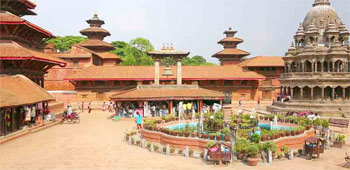 Historical Background of Patan Durbar Square:
 Patan Durbar Square dates back over 2,000 years and was established as the seat of the Malla kings. The Malla dynasty, which ruled the Kathmandu Valley from the 12th to the 18th century, was highly influential in shaping the architecture, culture, and spiritual landscape of the region. The square was originally used for royal and civic purposes, and it served as the residence of the Malla kings during their reign.
Following the fall of the Malla dynasty, Patan, along with other valley kingdoms, became part of the unified Nepal under King Prithvi Narayan Shah in the 18th century. However, Patan Durbar Square still remains an important cultural and architectural hub. Key Architectural Features and Buildings in Patan Durbar Square:
Now, let’s take a closer look at the significant buildings and architectural features in this stunning square. As we walk around, you’ll notice a unique blend of Hindu and Buddhist architectural styles, characteristic of the Newar culture of the Kathmandu Valley. 1. Patan Durbar (Palace Complex):
The centerpiece of Patan Durbar Square is the Patan Durbar, or Patan Palace, which was once the residence of the Malla kings. The palace complex is a grand structure adorned with beautifully carved wooden windows, intricately detailed stone sculptures, and open courtyards. The stone platform at the center of the complex is where the Malla kings were crowned. The architecture of the palace is a fine example of *Newar architecture*, with detailed carvings of mythological figures and deities. 2. Mahabouddha Temple:
Just behind the palace complex, you’ll find the Mahabouddha Temple, often called the Temple of 1,000 Buddhas. This temple is renowned for its unique terracotta tile architecture, where over a thousand small Buddha figures are carved into the clay tiles that cover the temple. The temple is dedicated to the *Buddha* and is a key site for both local Buddhists and visitors interested in exploring the area’s rich Buddhist heritage. 3. Vishwanath Temple:
This temple is dedicated to Lord Shiva, the destroyer of the universe in Hinduism. The Vishwanath Temple is one of the oldest temples in Patan and features traditional Shikhara-style architecture. It’s known for its detailed stone carvings, including images of Hindu deities and religious symbols. The temple is an important place of worship and attracts both locals and pilgrims. 4. Krishna Mandir:
One of the most iconic temples in Patan Durbar Square is the Krishna Mandir, dedicated to Lord Krishna. The temple is famous for its unique stone carvings and intricate architecture, with a shikhara-style tower and richly decorated interiors. The temple was built in the 17th century by King Siddhi Narsingh Malla, and it is especially known for the beautiful reliefs and carvings that depict scenes from the Mahabharata. 5. Bhimsen Temple:
The Bhimsen Temple is dedicated to Bhimsen, a legendary figure from the Hindu epic Mahabharata. Bhimsen is revered as the god of trade and commerce, and the temple is popular among merchants and traders who come to offer prayers for prosperity and success in their businesses. The Courtyards and Shrines:
As we walk through the square, you’ll notice several important courtyards, each with its own significance. These open courtyards were used for royal ceremonies and public events in ancient times. Today, they serve as focal points for local social life and religious gatherings. 1. Famous Shrines and Statues:
The square is home to numerous shrines and statues, each dedicated to different gods and deities. Among the most famous is the Statue of King Yoganarendra Malla, located in front of the Hiranya Varna Mahavihar (Golden Temple). This statue represents the religious and political power of the Malla kings. 2. Hiranya Varna Mahavihar (Golden Temple):
This is one of the most revered Buddhist sites in Patan. The Golden Temple is a beautifully gilded pagoda that houses a Buddhist stupa and several Buddha statues. The temple is particularly important for Tibetan Buddhists, and it’s a place where monks and locals gather to perform daily prayers and rituals. 3. Jagatnarayan Temple:
This Hindu temple is dedicated to Lord Vishnu and is located at the edge of the square. It’s known for its exquisite wooden carvings and intricate architectural details, and it’s an important part of the religious fabric of Patan. Cultural and Religious Significance:
Patan Durbar Square is a living testament to the cultural richness of the Newar people. As we walk through the square, you’ll witness the fusion of Hindu and Buddhist religious practices. The Newars have preserved their ancient traditions for centuries, and their culture thrives here, in the temples and daily rituals that take place in the square.
Throughout the year, festivals like Indra Jatra, Tihar, and Buddha Jayanti are celebrated with grand processions, dances, and rituals in the square. During these festivals, the square comes alive with colorful decorations, chanting, music, and vibrant performances. Art and Craftsmanship of Patan:
Patan is often called the City of Fine Arts because of its reputation for producing exceptional art, including wooden carvings, metalwork, stone sculptures, and thangkas (religious Tibetan scroll paintings). As we stroll around, you’ll notice the intricate craftsmanship that has been passed down through generations.
Local artisans work in the square, selling their handcrafted *art pieces* and souvenirs. These include beautiful statues of Hindu gods and goddesses, wooden prayer wheels, silver jewelry, and traditional handicrafts. The square is an ideal place to shop for souvenirs that represent the rich artistic heritage of the Kathmandu Valley. The Patan Museum:
One of the highlights of Patan Durbar Square is the Patan Museum, located inside the former palace complex. The museum is a treasure trove of Nepali art, housing an extensive collection of Hindu and Buddhist sculptures, paintings, inscriptions, and ritual objects. The museum is dedicated to preserving and showcasing the cultural heritage of Nepal, and it’s a great place to learn more about the rich history and artistry of Patan. Conclusion of the Tour:
That concludes our guided tour of Patan Durbar Square. I hope you’ve enjoyed learning about the architectural wonders, rich cultural traditions, and religious significance of this incredible place. Whether you’re here for the history, the art, or the spirituality, Patan Durbar Square offers a truly unique and unforgettable experience.
Feel free to explore the square on your own, take photographs, or shop for souvenirs from local artisans. If you have any questions, or if you would like to know more about specific aspects of Patan, please don’t hesitate to ask. Thank you for joining me on this wonderful journey through Patan’s cultural heart.
This guided tour of Patan Durbar Square offers an immersive and comprehensive experience for your guests, focusing on history, architecture, religious practices, art, and culture. You can adapt it based on your guests' specific interests and time constraints. WhatsApp Live Chat:
Online BOOK NOW
Support Call: +977 9816 770504 | WhatsApp or Viber
Heritage SITE

Kathmandu Durbar Square
Patan Durbar Square

Bhaktapur Durbar Square

Pashupatinath Temple
Boudhanath Stupa

Swyambhunath Stupa
Changunarayan Temple
 # Duration - 7N/8D Package
 # Duration - 3N/4D Package
 # Duration - 5N/6D Package
 # Duration - 5N/6D Package
 # Duration - 5N/6D Package
 # Duration - 8N/9D Package
 # Duration - 6N/7D Package
 # Duration - 9N/10D Package
 # Duration - 8N/9D Package