Pashupatinath Temple Darshan
"Welcome to "Pashupatinath Temple”, a UNESCO World Heritage Site and one of the holiest temples in Hinduism. Located on the banks of the “Bagmati River”, this sacred temple is dedicated to “Lord Shiva”, one of the principal deities in Hinduism. Pashupatinath is not just a temple but a spiritual hub where millions of devotees come from all over the world to pay their respects, pray for blessings, and witness important rituals. It is considered the holiest place for followers of the “Shaiva tradition”, which venerates Shiva as the supreme god. History of Pashupatinath Temple:
Pashupatinath is believed to have been established over “2,000 years ago”, though the current structure dates back to the 5th century. It is said to have been built by King “Pratap Malla”, but the legend surrounding the temple dates much earlier, with stories connecting it to ancient scriptures and divine revelations. It is believed that a Shiva “Lingam” (a symbolic representation of Lord Shiva) was originally found at this site by a king named “Rudra”.
The name 'Pashupatinath' is derived from two Sanskrit words: 'Pashu,' meaning 'Living Beings' or 'Souls,' and "Pathi"' meaning 'Lord' or 'Master'. Thus, Pashupatinath means 'Lord of the Animals' or 'Lord of all living beings.' It’s a name that reflects Lord Shiva’s role as the protector and caretaker of the world’s creatures and beings.
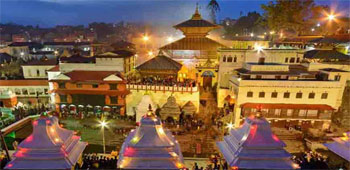 Architectural Features of the Temple:
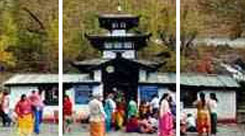
As you can see, the temple is a stunning example of “Nepalese Pagoda Style Architecture”. The “Golden Roof” and intricate wooden carvings make the structure particularly beautiful and sacred. The temple is enclosed by a large courtyard, and only “Hindu Devotees” are allowed to enter the inner sanctum of the temple where the Shiva “Lingam” is housed. However, visitors are allowed to view the temple from the surrounding areas, where you can enjoy the views of the stupa and the architecture.
Above the main shrine, you’ll notice the large “Golden Spire”, which symbolizes the connection between the earthly realm and the divine. The entire temple complex is adorned with “Stone Carvings”, “Sculptures”, and “Prayer Wheels”. The Shiva Lingam and the Main Shrine:
The main deity of the temple is “Lord Shiva”, and inside the temple stands a “Shiva Lingam”. This symbol represents the formless, infinite aspect of Lord Shiva. The Shiva Lingam is worshipped daily by thousands of devotees who come here to perform rituals and offer prayers for their well-being and prosperity.
In addition to the temple, you will see many other shrines dedicated to various deities, like “Parvati (Shiva’s consort)”, “Ganesh”, and “Brahma”. Each of these gods has their own significance and representation in the larger framework of Hinduism. The Bagmati River and Cremation Ghats:
One of the most unique and spiritual aspects of Pashupatinath is its location beside the "Bagmati River". This river is considered holy in Hinduism, and it is believed that bathing in the Bagmati purifies the soul. The river flows through the temple complex, and you will see several “Cremation Ghats” on the riverbank. These ghats are where many Hindus come to perform the last rites for their loved ones.
Here at Pashupatinath, cremation is seen as an important step toward liberation or “Moksha”. It is believed that dying in the presence of Lord Shiva, and being cremated here on the banks of the Bagmati, will lead the soul to eternal peace. You may witness cremation rituals being performed at the ghats, which are part of a sacred and ancient practice. The Sadhus and Holy Men:
Another unique aspect of Pashupatinath is the presence of “Sadhus” (Holy Men) who live around the temple. These ascetics are often dressed in orange robes and are followers of Lord Shiva. Many Sadhus spend years meditating and performing spiritual practices in this sacred space. Some even engage in “Yoga” or "Fire Rituals" as part of their spiritual journeys. While many of the Sadhus here are revered for their ascetic lifestyle, some will pose for photographs, often in exchange for a small donation. Festivals and Celebrations:
Pashupatinath is a major site for numerous Hindu festivals throughout the year, the most important of which is “Shivaratri”, the night dedicated to Lord Shiva. During this festival, the temple is beautifully illuminated, and thousands of devotees gather to offer prayers, sing devotional songs, and chant mantras. It’s a night filled with deep devotion and spiritual energy.
Another important festival here is “Tihar” (also called the festival of lights), which is celebrated by Hindus across Nepal. During Tihar, “Dogs”, “Cows”, and “Crows” are honored, and offerings are made to Lord Shiva, especially by devotees seeking blessings for prosperity and protection. Spiritual Practices and Customs:
When visiting the temple, it is customary to walk around the “Temple Complex” in a “Clockwise Direction”. This is considered auspicious, as it is believed to bring spiritual merit and blessings. You may also notice that pilgrims perform “Prayers”, “Chant Mantras”, and make offerings at various shrines dedicated to different gods and goddesses inside the temple.
It’s important to be respectful of the religious customs here, especially when it comes to the cremation ghats. While it is a solemn sight, it is considered a holy and sacred process for Hindus. Many visitors come to pay their respects and offer silent prayers. Conclusion of the Tour:
That concludes our visit to “Pashupatinath Temple”. I hope this tour has helped you understand the deep Spiritual, Cultural, and Religious significance of this incredible place. If you have any questions or want to take a moment for reflection or prayer, feel free to do so. Thank you for joining with us, and may your visit to Pashupatinath bring you peace and blessings.
The package will offer your guests a deep understanding of “Pashupatinath Temple”, covering both the historical background and the cultural practices that make it so important to Hindus. You can also tailor the tour depending on the time available or specific interests of your guests, like focusing on rituals or more detailed information about Hindu mythology and the significance of Lord Shiva. Important Rituals and Offerings:
Every day, special prayers, “Aarti” (rituals of worship), and offerings are made to Lord Shiva. The most famous ritual here is the “Evening Aarti”, GO BELOW VIDEO & ENJOY BHAJAN held every evening at the temple. This is a mesmerizing ceremony where priests perform elaborate fire rituals with the sound of bells and the chanting of mantras. It’s one of the most moving experiences for devotees and visitors alike.
Devotees come here with offerings such as “Flower Garlands”, “Fruit”, and “Water” to pour over the Shiva Lingam. “Bhasma” (sacred ash) is also commonly applied to the foreheads of devotees during their visit. This represents the impermanence of life, reminding us of death and the transient nature of material possessions. Daily Rituals at Pashupatinath:
4:00 am: West gate opens for visitors.
8:30 am: After arrival of Pujaris, the idols of the Lord are bathed and cleaned, clothes and jewelry are changed for the day.
9:30 am: Baal Bhog or breakfast is offered to the Lord.
10:00 am: Then people who want to do Puja are welcomed to do so. It is also called Farmayishi Puja, whereby people tell the Pujari to carry out a special Puja for their specified reasons. The Puja continues till 1:45 pm in the afternoon.
1:50 pm: Lunch is offered to the Lord in the main Pashupati Temple.
2:00 pm: Morning prayers end.
5:15 pm: The evening Aarati at the main Pashupati Temple begins.
6:00 pm onward: Recently the Bagmati Ganga Aarati; done by the shores of Bagmati, has been gaining lots of popularity. We can see the shores of Bagmati crowded mostly on Saturdays, Mondays and on special occasions. Ganga Aarati along with Shiva’s Tandava Bhajan, written by Ravana, is carried out on evening Ganga Aarati.
7:00 pm: Door is closed. Evening Aarati at Pashupati:
WhatsApp Live Chat:
Online BOOK NOW
Support Call: +977 9816 770504 | WhatsApp or Viber
Heritage SITE

Kathmandu Durbar Square
Patan Durbar Square

Bhaktapur Durbar Square

Pashupatinath Temple
Boudhanath Stupa

Swyambhunath Stupa
Changunarayan Temple
 # Duration - 7N/8D Package
 # Duration - 3N/4D Package
 # Duration - 5N/6D Package
 # Duration - 5N/6D Package
 # Duration - 5N/6D Package
 # Duration - 8N/9D Package
 # Duration - 6N/7D Package
 # Duration - 9N/10D Package
 # Duration - 8N/9D Package